

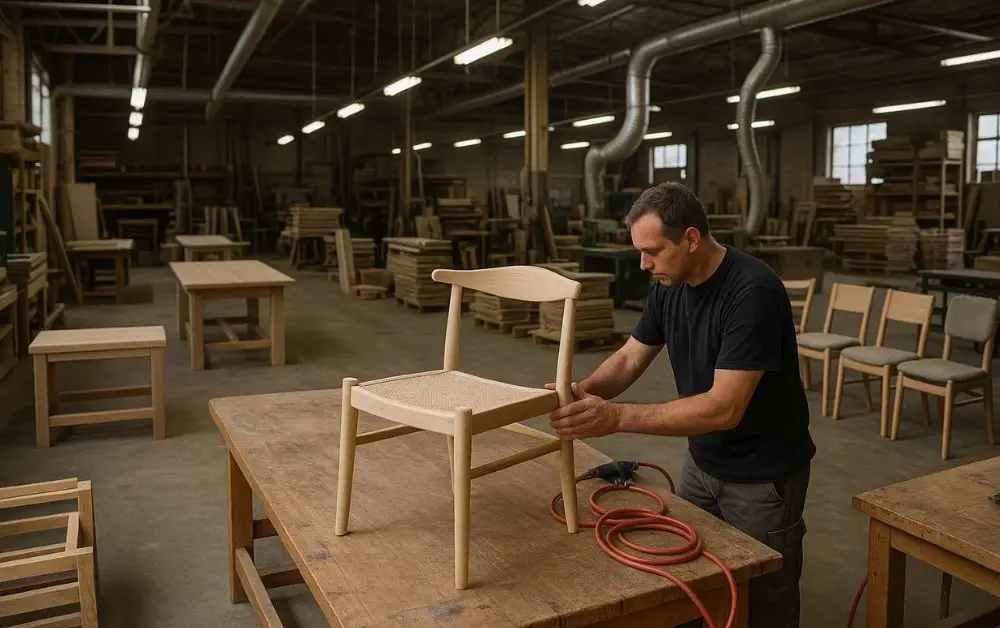
When it comes to crafting the future of furniture in 2025, manufacturers, whatever their focus might be on building for homes, offices, or commercial spaces, must keep pace with changing tastes and philosophies that govern design. For companies looking to meet demand from a global standpoint, knowing what’s trending often spells the difference between building “just another set of chairs” and pieces that actually wow and eventually make it to market. Furniture manufacturer in Abu Dhabi such as Stylish Advance Decor would be in a position to realize and adapt to such trends.
The following are the main furniture design trends in 2025, which manufacturers should be watching closely.
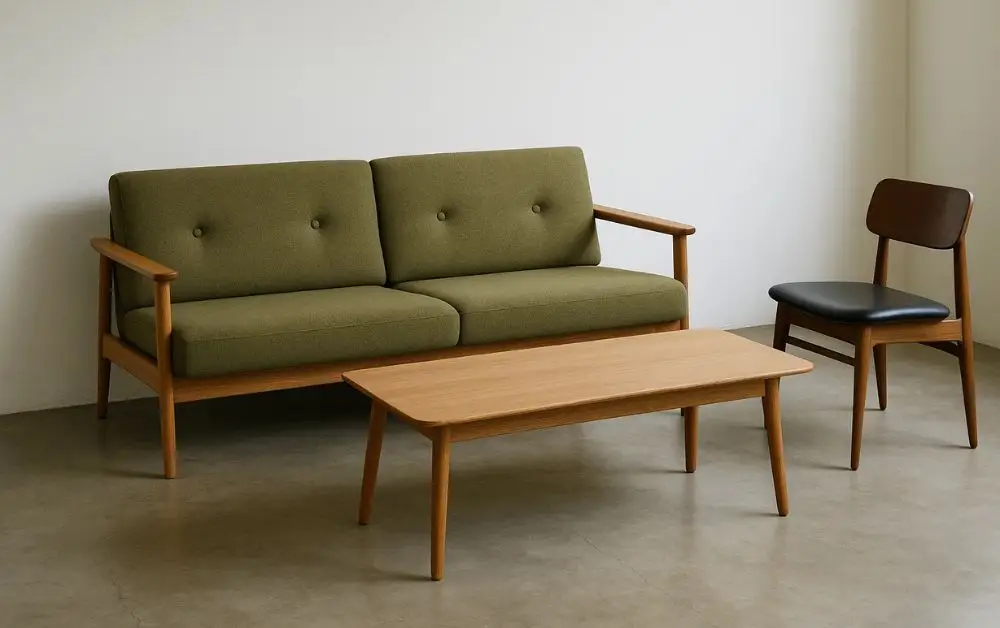
1. Curved & Organic Shapes — Soft, Sculptural Furniture
For decades, straight lines and boxy designs have prevailed. In 2025, that’s changing. Furniture with curved, organic forms-think rounded sofas, sinuous coffee tables, arched lounge chairs, and sculptural side tables-is the go‑to aesthetic now.
These organic shapes are not just about looks but evoke a sense of softness and comfort, creating a more relaxed and inviting atmosphere inside. For the manufacturers, it means changing their line of production and development to include smoother lines and fluid forms, be it with molded plywood, bent wood, or other flexible materials.
Whether you’re making a cozy residential sofa or an ergonomic office lounge, a curved furniture piece provides versatility and aesthetic appeal, thus being a smart design direction to invest in.
2. Sustainability & Natural Materials — Eco‑Conscious and Authentic
Furniture design in 2025 relies a great deal on sustainability. There’s a growing emphasis on using eco‑friendly, natural, responsibly sourced materials: reclaimed or sustainably harvested wood, recycled metals, natural fabrics, and other renewable or low-impact materials.
This movement is motivated not just by environmental concerns, but also by the demand for authenticity and long-term value. People want furniture that feels real, durable, and timeless rather than throwaway pieces. For manufacturers, this means rethinking sourcing, production processes, and finishing methods in ways that will fulfill the material and craftsmanship expectations of the sustainable 2025 consumer.
Designers are mixing these materials with organic shapes and clean finishes to create furniture that’s grounded, warm, and fully in sync with nature.
3. Statement Pieces & “Thoughtful Focal Points” — Entry Tables, Accent Furniture, and More
As people will continue to stay at home or work in hybrid situations, 2025 is leaning toward purchasing fewer items but of more substance. And one of those up-and-coming trends is statement furniture: bold, eye-catching pieces that become the focal point of a room.
For instance, a well-designed entry table, an artful sideboard, or a uniquely shaped accent chair can raise the aesthetic of an entire room.
This opens opportunities for manufacturers to design and produce limited-edition, high-quality pieces rather than bulk low-cost items. These items typically command a premium, appeal to customers who value design, and endure over the years–and thus often justify the investment.
4. Comfort Meets Style: Plush, Casual & Sensorial Furniture
Two thousand twenty-five interior design trends lean toward comfort without compromising style. Furniture is increasingly designed to be “casually comfortable” — think deep‑seated sofas, rounded armchairs, plush upholstery, soft rugs, and tactile textures.
Beyond the look, there’s a push for “sensorial design”-where furniture and interiors appeal not just to sight but to touch, feel, and mood. Designers incorporate soft fabrics, warm lighting, rich textures, and materials that invite you to sit, lean, and relax.
For manufacturers, that means paying attention to ergonomics, upholstery quality, and functionality while following aesthetic coherence. Furniture is not only supposed to look good but also to feel good.
5. Nostalgia, Retro & “Yesteryear Revival” — Mixing Past with Present
Interestingly, 2025 draws from the past as much as it welcomes the future. Designers and owners alike are embracing retro and nostalgic influences in ways that include a resurgence of mid‑century shapes, vintage textures, hand‑painted finishes, and old‑world charm reinterpreted for modern living.
This trend reflects the need for personality, character, and emotional connection in furniture. More than bland, mass-produced flat‑pack furniture, people seek items with history, craftsmanship, and individuality. For manufacturers, this could mean a limited degree of personalization, such as leveraging traditional artisan techniques, like hand-painted finishes, and integrating design cues from past decades, reimagined for 2025 interiors.
6. Versatility & Modular Design: Adapting Furniture to Modern Needs
Today’s lifestyles call for flexibility. In turn, every piece of furniture, either for multinational offices, boutique storefronts, or adaptable living spaces, should be versatile. 2025 sees an uptick in modular furniture: pieces that can be rearranged, reconfigured, or repurposed as needed.
Modular sofas, extendable tables, flexible storage units – these are all coming to the fore. This chimes with a changing lifestyle: home or hybrid working, multifunctional houses, shifting pressures on space.
Modularity in design, to furniture manufacturers, means designing products for longevity, adaptability, and easy assembly while keeping aesthetics and build quality in mind.
What This Means for Manufacturers: A Strategic View
For furniture producers looking forward to 2025 and beyond, these trends indicate a number of strategic imperatives:
- Enjoy organic contours and ergonomic comfort: Curved and sculptural furniture appeals to modern sensibilities and comfort needs.
- Prioritize sustainability: employ eco-friendly, natural, and recycled materials; practice ethical sourcing and environmentally conscientious production.
- Provide design-forward statement pieces: Instead of generic mass-produced goods, prioritize flagship furniture that serves as discussion starters or design anchors.
- Ensure versatility and flexibility: Modular and multipurpose designs will accommodate changing lifestyles, ranging from remote work to compact city living.
- Balance nostalgia and innovation: Using vintage-inspired design, handcrafted features, nostalgic details, or culturally resonant expression might differentiate your services.
- Emphasize sensory quality and comfort: Consumers looking for comfort without sacrificing style will be attracted to soft textures, plush upholstery, and ergonomic design.
How Interior Design Partners — and Manufacturers — Can Leverage These Trends
This is where interior design firms like Stylish Advance Decor become crucial. As the leading interior design company in Abu Dhabi that provides cutting-edge solutions, from office fit-out and furniture to shop fit-out and overall space planning and consultancy, Stylish Advance Decor is adept at understanding not just aesthetic trends but the functional needs of clients. Their insight into office ergonomics, retail space design, and modern commercial requirements puts them in a strong position to guide manufacturers on what designs will sell.
Through collaboration with such companies, manufacturers can ensure that their furniture for homes, offices, and commercial outlets addresses the leading design language of 2025 while meeting practical demands.
Conclusion
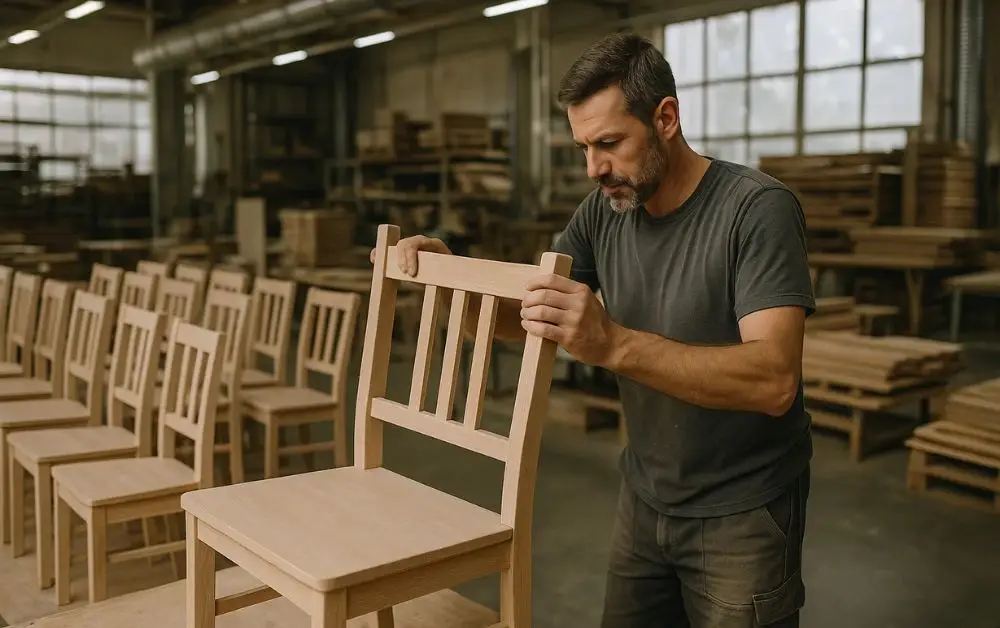
The furniture design in 2025 is becoming more expressive than ever, sustainable, comfortable, and able to adapt. From organic shapes and curved, modular systems to statement pieces that ooze nostalgia and conscious ecological materials, modern furniture is evolving at a fast pace. To the forward-thinking manufacturer looking to stay competitive, responding to these trends isn’t optional; it’s required. Embracing softness and flow in design, a priority on sustainability, versatile modular pieces, and collaborations with progressive design firms will help you meet modern tastes and needs. Be it for residential homes, corporate offices, or commercial outlets, the following 2025 furniture design trends will keep you abreast of the times. The fact that a company such as Abu Dhabi’s Stylish Advance Decor demonstrates how to take these global trends and, through expert consultancy in design and a profound grasp of market demand, develop furniture that can find resonance locally and internationally.