

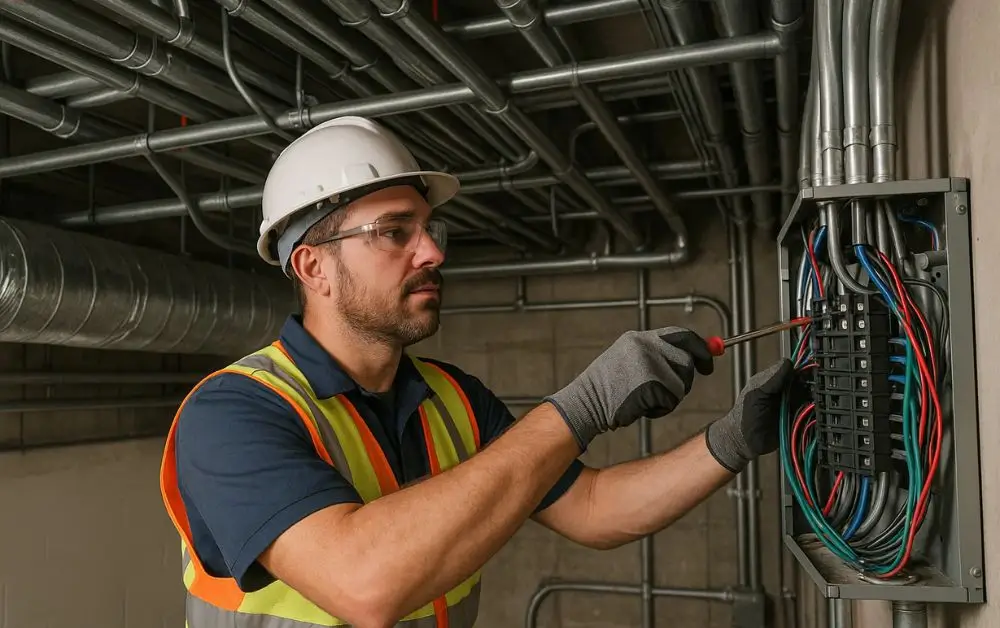
In large industrial projects, electromechanical contractors are crucial to ensure that the mechanical, electrical, and plumbing systems are installed efficiently and fit into place. Their work is fundamental to the operation of a facility, be it a manufacturing plant, a power generation facility, or a large warehouse. However, their work is not limited to just installing systems; instead, collaboration with other trades is key to the delivery of any project. This blog looks at how electromechanical contractors collaborate with other trades in the delivery of complex industrial projects, focusing on Electromechanical Contractors in Abu Dhabi, where high standards of integration and coordination determine project success.
What Electromechanical Contractors Do
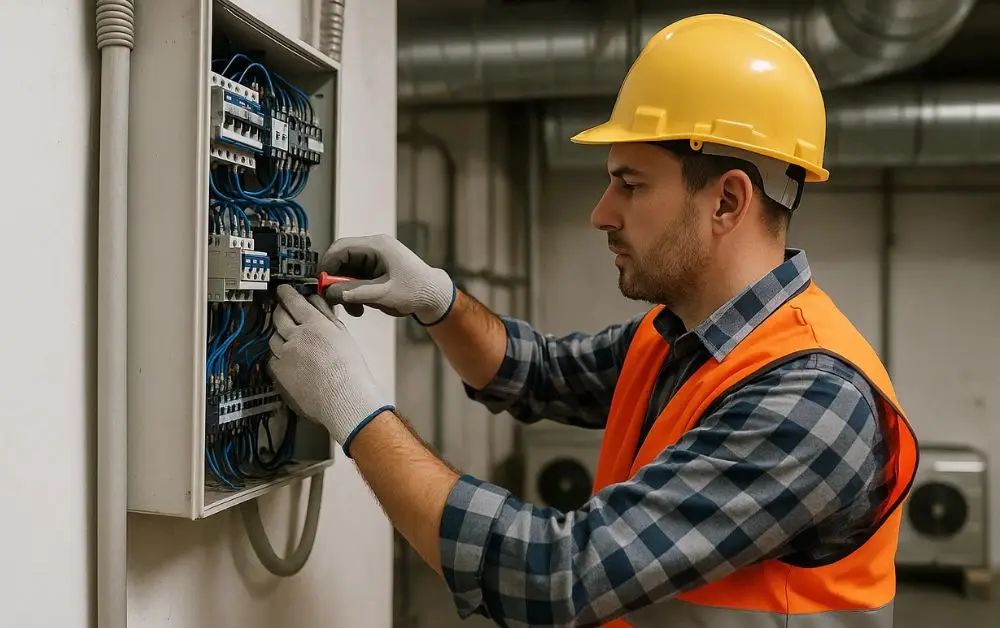
Electromechanical contractors, also known as MEP contractors, are responsible for the installation and integration of mechanical, electrical, and plumbing systems in buildings. These systems include HVAC-heating, ventilation, and air conditioning, electrical distribution, fire safety, plumbing, and other utility services that may be required to ensure the successful operation of a facility. The work of electromechanical contractors often intersects with other trades on the project; therefore, close coordination must be maintained with other trades to ensure that all systems are appropriately integrated into the building’s infrastructure.
The Importance of Early Collaboration in the Design Phase
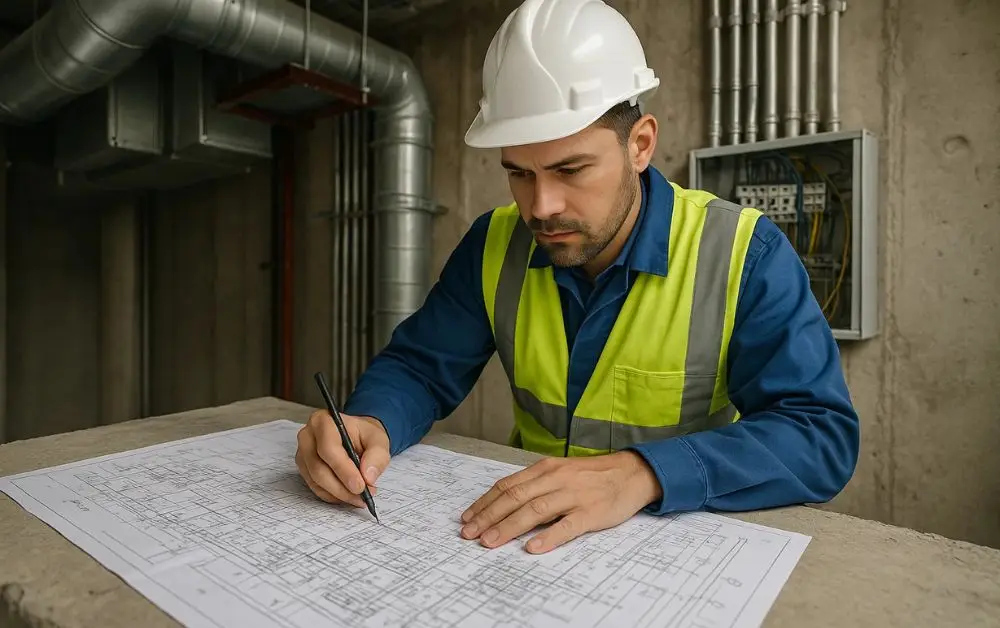
Effective collaboration in industrial projects starts at the design level. Most electromechanical contractors work with architects and structural engineers at the beginning to design how the mechanical and electrical systems will fit into the building. Early involvement prevents conflicts in later stages of the project when construction starts. This encompasses:
- Mechanical and Electrical Coordination: Electromechanical contractors have to work in close cooperation with structural engineers to make sure that the air ducts, piping, and electrical conduits are in alignment with the building structure. Any clashes between systems can be avoided by planning well in advance.
- Shared systems spaces: For instance, the electrical system may need to share a space with that of the HVAC system. With proper planning and coordination among the electrical, plumbing, and HVAC teams, all the systems will certainly fit within the available space without obstructing others.
On-Site Collaboration During Construction
All systems should be installed without delay as the project moves into the construction phase, and electromechanical contractors must work closely with other trades. Some areas of collaboration include:
- Civil and structural contractors: Electromechanical contractors are dependent upon the structure team for providing the supports and penetrations needed to install the mechanical and electrical systems. Delays in structural works will impact the timely installation of MEP systems, possibly leading to overall project delays.
- Coordination between MEP trades: Most buildings require plumbing, HVAC, and electrical systems to occupy the same walls, ceilings, and floors. The electromechanical contractor needs to coordinate the installation of a system so as not to create interference with other systems. For example, a duct might have to be routed around or above plumbing pipes or electrical cables.
- Scheduling and procurement: Effective collaboration also entails maintaining the integrity of the project timeline. Electromechanical contractors collaborate with other subcontractors in terms of coordinating material procurements, timely deliveries, and installation schedules to avoid delays.
Testing and Commissioning — Ensuring Integration
Testing and commissioning are necessary after the installation of such systems to ensure their efficiency. The electromechanical contractors work in collaboration with other trades to:
- Testing of Systems: All the installed systems, whether mechanical, electrical, or plumbing, are tested to work together seamlessly. The electromechanical contractors test and ensure the functionality of each system to specifications.
- Safety and Compliance Checks: The safety and compliance requirements for industrial projects are high, especially for electrical and mechanical systems. There is close coordination between electromechanical contractors and safety inspectors or regulatory agencies to make sure all systems meet the building codes and standards of a particular locality.
- Commissioning: This encompasses everything from fine-tuning systems to making those last adjustments and reconfigurations to get systems running at their best. An electromechanical contractor has to work along with other trades, such as civil or structural, to iron out the bugs during commissioning.
Suggested Read- Which Trends in Smart Home Automation Are Impacting Electromechanical Contracting?
The Benefits of Collaboration
Collaboration between electromechanical contractors and other trades has a number of key benefits:
- Conflict avoidance: Early coordination enables the discovery of potential conflicts between the systems, like electrical and HVAC systems, and resolves them prior to construction. This saves both time and money as costly rework is avoided.
- Optimized space and resource usage: Proper coordination ensures space is utilized efficiently, with all systems sharing service corridors or ducts, thereby reducing costly adjustments during construction.
- Safety and compliance: Through collaboration, the trades will make certain that safety standards are maintained and systems are in compliance with regulatory requirements. This minimizes the possibility of costly fines or delays due to non-compliance.
- Time and cost savings: When collaboration is effective, there will be less hold-up of projects, and their completion will be faster. Since every team knows what the others are doing, materials can be procured, schedules adjusted, and tasks completed on time.
The Challenges of Collaboration
While collaboration is essential, it also involves challenges. Some of the key challenges are:
Complex scheduling: Major industrial projects usually include the collaboration of several teams. Sometimes it creates scheduling conflicts, when a delay by one team directly influences the work progress of others. Effective communication and planning can help mitigate such issues.
Changes in scope or design: Often, after the job starts, changes are made either in design or in the scope of work. Such changes disrupt the work of other trades, entailing quick adjustment and coordination to keep the project on schedule.
Technology Integration: Most modern industrial projects incorporate the latest technologies in their design and coordination, such as Building Information Modeling (BIM). Ensuring that all trades are familiar with and can work within these technologies will often be challenging, but it is an essential aspect of collaboration.
Conclusion
The key to such large industrial projects is effective collaboration between electromechanical contractors and other trades. Early coordination in the design phase, collaboration during construction, and ensuring seamless testing and commissioning will help the electromechanical contractors deliver projects on time, within budget, and in compliance with safety standards.
In vibrant markets like Abu Dhabi, Electromechanical Contractors play a critical role in delivering complex industrial projects that meet global standards. Their ability to work alongside structural engineers, architects, and other trades ensures that all systems-from HVAC to electrical to plumbing-are integrated seamlessly into the final structure. Collaboration not only leads to efficient and safe projects but also saves time and resources, which is vital for industrial project success.
Electromechanical contractors also ensure that projects by interior design firms, like Stylish Advance Decor, specializing in office fit-outs and space planning, meet their aesthetic goals without giving up functionality. The synergy between design and engineering teams results in aesthetically appealing projects that are not only visually appealing but also highly functional and safe for future use.