

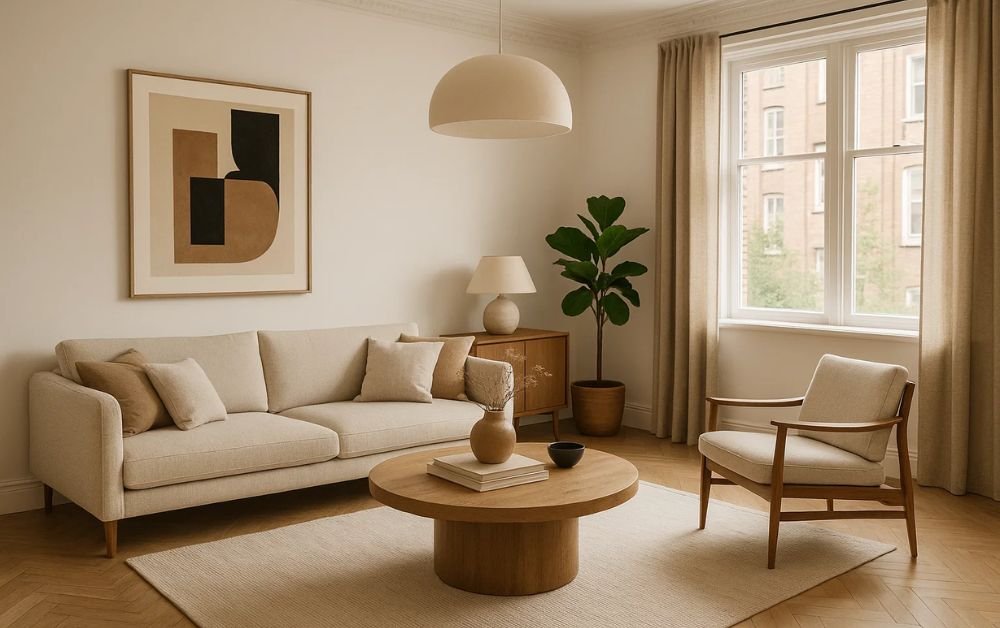
When you hire Interior Decorators Dubai to design a compact apartment or small living space, the real challenge lies in making each square foot work and look good doing so. In metro cities like Dubai or Abu Dhabi, where apartments are usually available for living with less floor area, decorators have to maintain a perfect balance between practical usability and style, comfort, and personality simultaneously. Herein, we touch upon those key strategies decorators adopt to achieve that balance.

Understanding the Trade‑off: Functionality vs Aesthetics
Designing any interior, in most general terms, is the attempt to balance two potentially divergent priorities: function and beauty. Functionality concerns living needs, efficiency in use, and ease of movement. Aesthetics are about visual appeal, expressing mood or personality, and making a home a place you want to be in.
This tension intensifies in small living spaces: from the furniture to the wall colour, from light sources to decor elements, everything has an impact on the feel and functionality of the space. It is not about simply trying to squeeze everything in but rather making the space livable, comfortable, and visually coherent. Professional decorators have guidelines in design principles that treat each element with a purpose; nothing is done just for decoration if it gets in the way of usability. That philosophy parallels the ethos of many modern firms.
Key Strategies for Making Small Spaces Work — and Look Good
Brilliant Furniture: Multi‑purpose & Minimalist
Multi-functional furniture is one of the most potent tools: items that can be used for multiple purposes. Examples include sleeper sofas, storage ottomans, beds with built-in storage, lift-top coffee tables, and wall-mounted desks. This reduces clutter and makes better use of every available space.
Minimalist furniture design also helps: sleek, compact pieces with simple lines reduce visual overload in a small area while meeting daily necessities.
Bright Layout & Space Planning
Good layout is paramount. Designers often plan zones — living, dining, work, rest — within a small footprint, using furniture, rugs, or lighting to divide space without erecting actual partitions.
Vertical space counts, too: wall-mounted shelving, cabinetry, or storage frees up floor space and prevents clutter.
Illusions: Colours of Light, Mirrors, Light
A light or neutral color scheme, such as soft whites, creams, pastels, or sand tones, reflects both natural and artificial light, creating a feeling of openness and airiness.
Another classic trick is using mirrors: opposite windows, or placed at strategic locations, they can create an impression of walls receding and visually enlarge the space.
Lighting is essential, too. Layered lighting-ambient, or general illumination; task, such as reading or cooking; and accent, to highlight art or décor-provides a sense of depth and form while making the space functional and comfortable.
Smart Storage & Hidden Solutions
Hidden or built‑in storage reduces visible clutter. Employing under‑bed drawers, wall niches, cleverly engineered furniture, or built-in cabinets keeps the everyday items out of sight—the result: a clean, calm aesthetic with no loss in storage capacity.
Also, don’t overdecorate. All those tiny decor items can sometimes make a room feel chaotic. Designers often use accents sparingly to add texture, color, or personality — but not overwhelming the small area.
Harmony, Balance & Intentional Style
Good small-space design isn’t just about fitting things in; it’s about coherence. A unified color palette, complementary materials, matching finishes, and a consistent design theme make the space feel intentional and calming.
Designers also follow layout principles like balance and symmetry, or purposeful asymmetry, to make sure the design flows, movement is easy, and the aesthetic doesn’t feel cramped or chaotic.
Why Professional Firms Make a Difference: The Case of Stylish Advance Decor
For people who value comfort and taste, particularly in densely populated urban cities, hiring professional decorators will convert even a tiny home into an elegant yet functional house.
For instance, Stylish Advance Decor is one of the leading interior design companies in Abu Dhabi, specializing in office fit‑outs, shop fit‑outs, space planning, and interior design consultancy. Their expertise in maximizing functional efficiency while maintaining sophisticated aesthetics makes them a prime example of how professional intervention can elevate living spaces.
Their method certainly involves thorough space design, multi-purpose furniture, creative lighting solutions, bespoke storage, and layout – all geared to current residents’ limits and lifestyles. Their designs demonstrate how even small residences can feel significant, practical, and opulent.
Practical Recommendations for Your Own Small Space
If you’re looking to optimize a small living area, here are some concrete ideas based on the strategies above:
- Choose multi-functional furniture such as sofa sleepers, storage ottomans, and folding tables.
- Use light-colored paints and finishes to make rooms feel more airy.
- Use mirrors and tiered lighting to add depth and mood.
- Plan your layout thoughtfully: divide the space, keep paths free, and avoid bulky furnishings.
- Add concealed storage or built-in solutions to reduce clutter.
- Decorate with intention: using fewer, meaningful elements to create visual harmony.

Conclusion
Functional Comfort Meets Elegant Design. Balancing functionality and aesthetics in small living spaces is a fine art, but one that skilled professionals, especially from companies like Stylish Advance Decor, excel at. They meticulously blend thoughtful planning, multifunctional design, and visual harmony to make sure even the humblest apartment will become comfortable, stylish, and functional. If you are based in or around Dubai or Abu Dhabi and are considering a makeover, working with reputable decorators or using the above principles yourself can make all the difference. In the context of Interior Decorators Dubai, small doesn’t have to mean compromising on either comfort or style; it simply means designing with intention. And with the right approach, in fact, your small home can deliver big on both.