


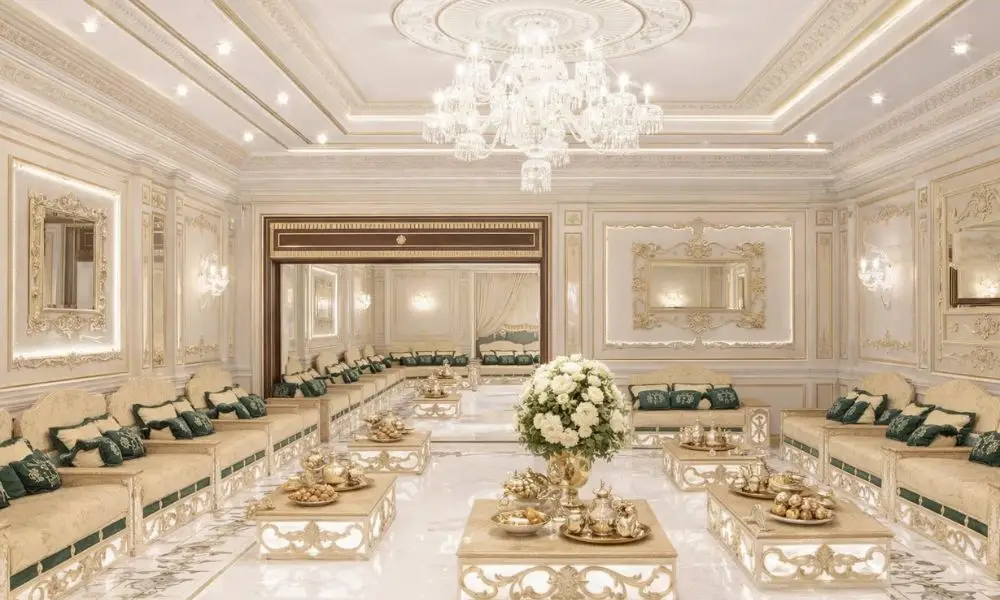
When you retain the services of a first-class firm, like Stylish Advance Decor, one of the best interior design firms in Abu Dhabi in the UAE that offers innovative solutions and specializes in office fit-out, office furniture, shop fit-out, decoration space planning, and interior design consultancy, you should expect a well-structured, transparent, and collaborative project workflow. In this blog, we take you through what a typical “best‑in‑class” interior design process looks like, and what clients should expect at each stage. Whether it’s a minor renovation of a small office or a full-scale shop fit-out, understanding the work process will help you stay knowledgeable, involved, and in command.
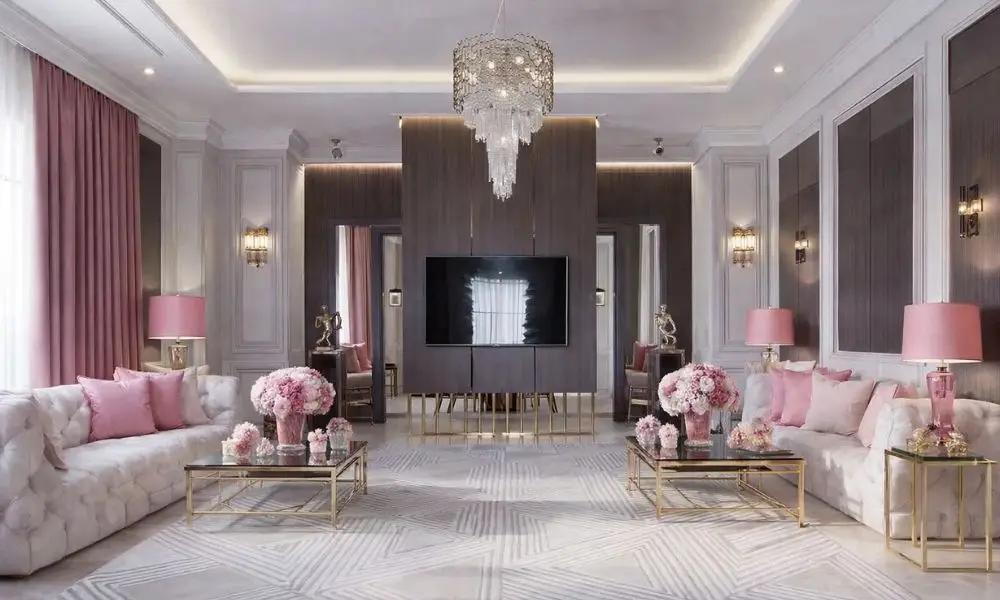
1. Initial Consultation and Briefing: Laying the Foundation
First and foremost, any interior design project starts with some discovery or intake phase: an in-depth conversation between you, the client, and the design team. This first meeting is essential for aligning your vision, goals, budget, and timeline. Designers take time to understand what you need: your functional needs, aesthetic preferences, lifestyle, for a residence, business operations for an office, or shop, and any “must-have / must-avoid” constraints.
Clients can expect:
- A friendly, but professional discussion of your needs, what you like, and what you don’t.
- A clear outline of what the project will cover and an initial estimate of the timeline and cost.
- Ask questions, share your ideas, photos, inspiration, or even “pain points” regarding your current space. This helps to shape the design brief.
By the end of this stage, you and the design firm should have a mutual, written understanding of the project’s scope.
2. Site Assessment and Space Measurements
Once the briefing has been agreed upon, the next sensible course of action would be an evaluation of the actual space. Designers will measure the environment to capture accurate dimensions, structural constraints, window/door placements, lighting and ventilation conditions, load-bearing walls (if applicable), and other technical details.
Why these matters for clients:
- Accurate measurements avoid surprises later on, such as wrong furniture size and improper layout.
- Assists the design team in planning layouts, circulation, and zoning, especially for offices, shops, or multi-room interiors.
- Provides you with a realistic idea of what’s possible for your space and in line with your vision.
This is the stage that allows creative ideas to remain realistic according to possibilities and constraints in reality.
3. Concept Development & Preliminary Designs
A clear brief coupled with accurate measurements ushers the design team into the creative stage. Here’s what happens:
- Development of design concepts: mood boards, color palettes, style directions, preliminary space layouts in 2D or 3D, furniture layout, lighting plans, material suggestions, etc.
- Presentation to you for review and feedback. The design firm should present you with various options or variations to choose from, where feasible, so you can decide what best fits your taste and functional needs.
As a client, you should expect:
- Visuals-mood boards, sketches, or 3D renderings help you “see” the proposed design.
- Iterative feedback sessions: It is essential that you get to review and suggest changes until you feel satisfied with the concept.
- Clear communication of the design rationale: why a specific layout, color, furniture style, lighting, etc., is recommended.
This is the stage where your aesthetic choices meet the expertise of a design team, where your dream starts to take visible shape.
4. Design Development, Documentation & Costing
Once the concept has been approved, the project enters a more technical phase, namely the completion of design development and preparation of execution-ready documentation, including:
- Detailed floor plans, elevations, joinery/cabinetry drawings if required, furniture & lighting plans, finishes and materials specifications, electrical and plumbing layout if relevant, and so on.
- FF&E, finishes, and other materials schedule.
- A detailed estimate of realistic cost and timeline, often phase by phase: procurement of materials; civil or carpentry work; finishing; installation; styling; final touches.
For clients, expect:
- Having a comprehensive set of documents and drawings on hand, your “project manual,” ensures everyone involved is working from the exact blueprint: designers, contractors, vendors, etc.
- Transparency in costs: what goes into materials, labor, furnishing, installation, finishing, etc.
- A signed agreement or a scope document should be in place before any work commences, thereby reducing confusion or scope creep and making commitments clear.
This phase turns the “vision” into a practical, actionable plan.
5. Procurement, Sourcing & Project Management
With the documentation and approvals in place, a leading interior design company takes over on the logistical side. Often, this is the most complex stage behind the scenes. Activities include:
- Ordering materials, furniture, fixtures, finishes, and coordinating with vendors and suppliers to ensure timely delivery.
- Coordinating contractors, subcontractors, labor teams, and vendors involves scheduling and managing all the moving parts so that work proceeds without delays.
- Regular project management communications: updates to you, status checks, reconciling procurement delays or substitutions, tracking progress versus timeline.
You should be able to expect frequent updates: weekly or bi-weekly progress reports, candid communication if there are delays or changes, and clarity about any material substitutions or selection when necessary.
6. Installation, Execution & Styling
This is the moment when design becomes alive. With guidance from the design firm, the contractors start execution: carpentry, flooring, painting, installations, lighting, placing furniture, etc. Once installation is complete, final styling means decoration, accessories, positioning, and adding finishing touches to make the space come alive.
Clients are promised:
- Site supervision by designers or project managers to ensure artistry meets design intent.
- Final walk-throughs, quality checks, and adjustments: furniture tweaking, final alignment, paint touch-ups, lighting balance, etc.
- A chance to review every aspect of the finished space, provide feedback, mark punch-list items, and approve the final handover.
All the planning, documentation, and procurement will be realized at this stage. The result should be a functional, beautiful, and ready-to-use space.
7. Handover & Post-Completion Support
In fact, a genuinely professional interior design workflow does not end with installation. At the end, the firm should do a proper handover that includes documentation of installed items, warranties if any, maintenance instructions, and possibly after-care support.
You can expect as a customer:
- A final walk-through with the design team to review the completed project and make sure it meets specifications.
- A “punch-list” to track any minor fixes or adjustments.
- All documentation of materials, specifications of furniture, and maintenance guidelines on record are helpful for future reference, repairs, or renovation decisions.
This phase helps ensure long-term satisfaction and helps preserve design quality over time.
Also Read – Affordable Interior Design Trends for 2025: Stylish Yet Budget-Friendly
Why a Structured Workflow Matters — and What Clients Should Demand
A structured workflow, on the one hand, like the one above, has manifold advantages:
- Clarity & Transparency: Clearly defining expectations, costs, timelines, and deliverables upfront leaves very little room for surprises, misunderstandings, or scope creep.
- Quality Control: Step-by-step supervision and documentation minimize chances of errors, mismatches, or poor artistry.
- Efficient management of resources: Proper procurement planning avoids delays and curbs budget overruns.
- Client Confidence & Collaboration: We use regular feedback loops and clear communications to make you an active participant in the design process, rather than a passive observer.
- Reliability after Completion: Documentation of handover, warranty, and after-care depicts professionalism, which is meaningful, especially for offices, commercial areas, or high-investment projects.
While choosing one of the best interior design companies in Abu Dhabi, as a client, expect them to follow such a flow of work: balancing creativity with practicality, planning with execution.
Knowing these phases will also enable you to ask the right questions and be more involved in the process for clients, ensuring that your vision is realized without compromise. If you choose to partner with Stylish Advance Decor, a company that offers comprehensive, cutting-edge solutions and end-to-end services, you should expect precisely such a structured, efficient, and client-centric approach.

Conclusion
The point is that when you work with a reputed firm, one of the best interior design companies in Abu Dhabi, you should expect more than just fancy drawings and furniture picks. A leading interior design company is actually defined by a well-defined, transparent, and robust workflow: from initial consultation and space measurements, through creative design, documentation, procurement, and execution, all the way to handover and post-completion support. For clients, this process ensures your design vision is fully realized, with every detail handled professionally and with care.